It’s a fair question, and one a lot of women ask themselves before they ever ask us out loud. The honest answer is more useful than a simple no, so here’s the real one.
Why the question feels reasonable in the first place.
Boudoir asks you to be vulnerable with someone you don’t know yet, in a way most other interactions in your life don’t. It makes sense that gender is one of the first things you’d think about when sizing up whether that’s safe. That instinct isn’t paranoid. It’s just how people evaluate trust with anyone new, and it deserves a real answer instead of being waved off.
Should gender even be the deciding factor?
The things that make or break a boudoir session, whether you feel rushed or paced, whether your boundaries are asked about or assumed, whether the room feels like it’s for you or for someone watching, are set by how a studio actually operates, not by who’s holding the camera. A woman photographer with no real process for consent and pacing can make a session feel worse than a man who’s built his entire practice around exactly that. The gender of the person behind the lens is one data point. It’s not the one that matters most.
What we’d tell you to actually look for, at any studio, not just ours.
Ask how boundaries get set before the day of your session, not during it. Ask whether anyone else is present, and if so, who. Ask how images are delivered and who controls access to them afterward. Ask what happens if you want to stop mid-pose. A studio that answers these clearly and specifically, before you ever book, is telling you something real about how they operate. One that brushes past the question is telling you something too.
Here’s how we answer those questions.
Heidi is in the room for every single session, without exception, not as a policy on a page but as a structural part of how the day runs from the moment you walk in to the moment you see your photos. Boundaries and comfort level are discussed before your session, not improvised during it. You control the pace throughout, and nothing about the day assumes what you’re comfortable with instead of asking.
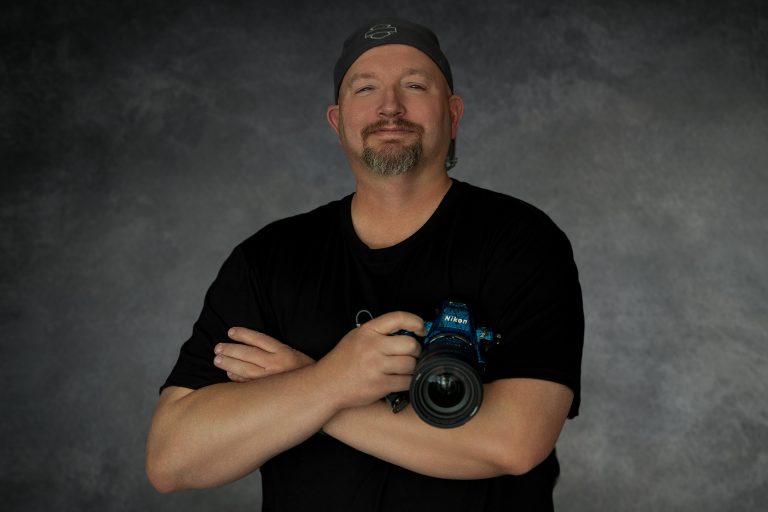
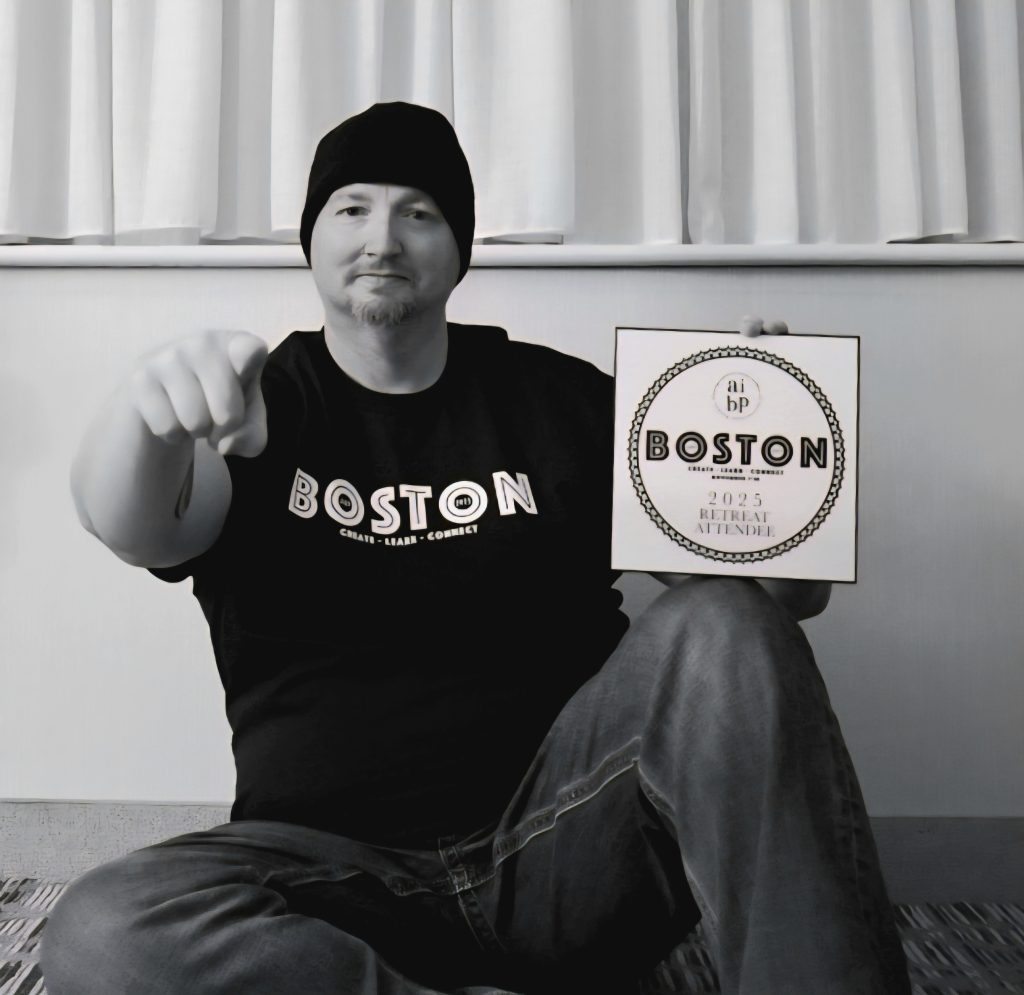
Chris has spent over 30 years teaching martial arts and women’s self-defense, work that’s fundamentally about reading a room, respecting boundaries, and helping someone feel steady in an unfamiliar situation. That background isn’t a resume line. It’s the actual skill set this work draws on every session.
And it’s worth saying plainly.
Some of the most respected names in boudoir photography today are men. This work has never belonged to one gender, and it never needed to. What determines whether a session is safe and worth trusting isn’t the photographer’s gender. It’s whether the studio built its process around your comfort or around getting the shot.
If you have questions about how we specifically handle any of this, that’s exactly what a Discovery Call is for.